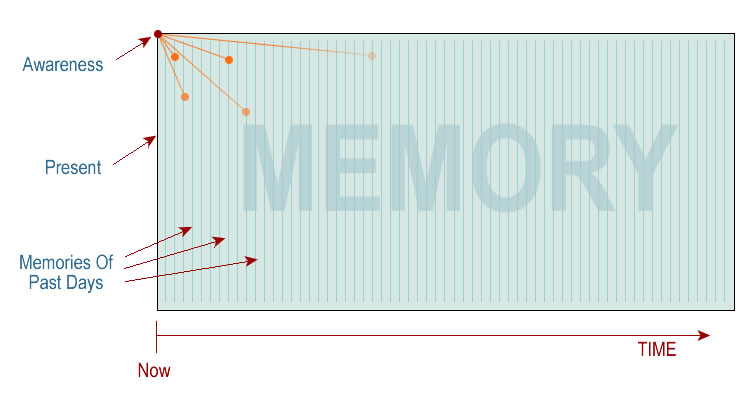
Image 10.1: An illustration of unmilited memory and normal level of recall
This shows the memory field of a normal human. Conscious awareness sits on the upper left, in the present moment. The orange dots represent this person's ability to recall events from days in the page. Recall is limited.
A real sticking point in understanding afterlife is the belief that memory equals recall. In other words, if you forget something that it's memory in gone forever. This illustration shows memory as a background field, from which events can be selectively recall. Memories of moment do not disappear.
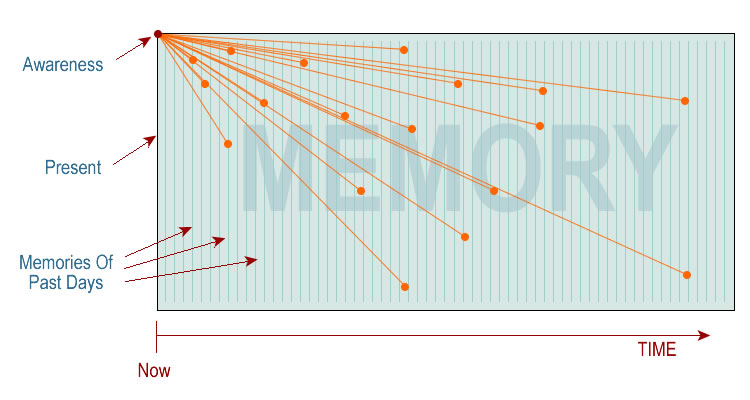
Image 10.2: An illustration of unlimited memory and hyperthymesic, enhanced level of recall
This image shows the same human memory field, this time of a hyperthymesic individual. The size of the memory field is a same as above, but the ability to recall from the past (shown as orange dots) in much greater than normal.
This illustration shows the hyperthymesic condition. Their background memory field is the same as everybody - complete and full. It is their ability to recall events from this memory field. They can recall many more events than normal people. Their enhanced recall sheds light on the completeness of the background field we all possess.
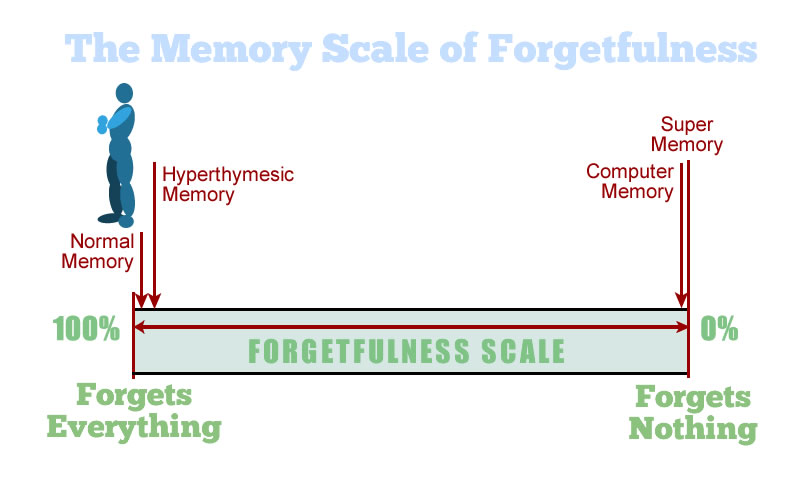
Image 10.3: An artist rendition of a scale of remembering, from forgetfulness to total retention.
This illustration shows an imaginary scale of forgetfulness. On the left is human recall, which forgets almost everything. On the right is computer memory which retains everything.
The scale of forgetfulness is created to illustrate the difference between remembering and memory. Normal recall, and even hyperthymesic recall in on the far left of the scale which is near total forgetfulness. The right side of the scale repesents the background memory field, which is complete in every way. The scale shows the human memory field as superior to computer memory. Our memory field is better, not worse, than computer memory.
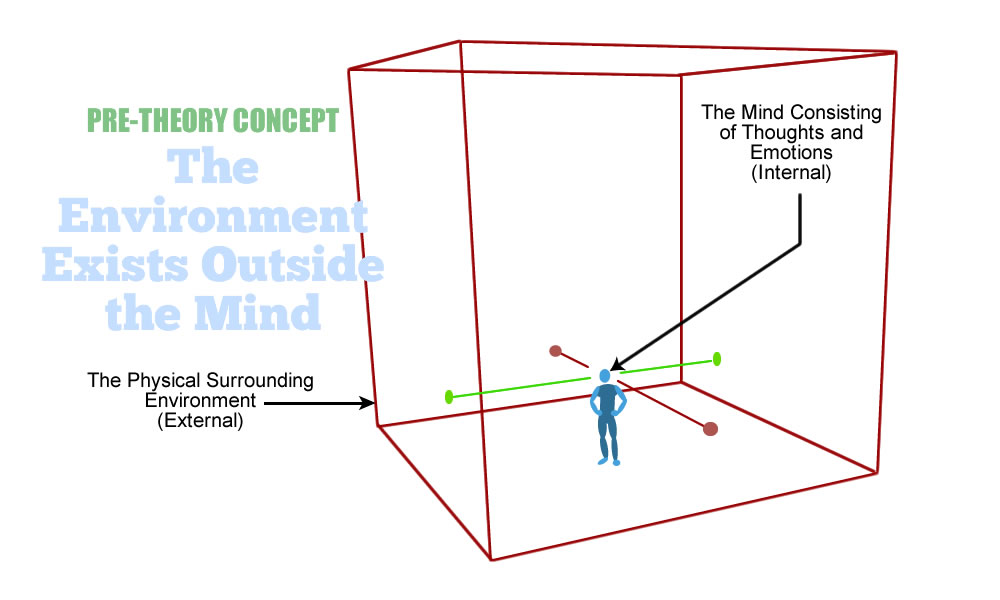
Image 10.4: This illustration shows how consensus believes that the outside world exists outside the mind.
This diagram shows how most people regard their environment. The concept most people have is that the environment exists outside the mind body. While most people believe this way, this is incorrect.
This illustration shows how people think about the environment. They see it surrounding them and automatically assume that it is outside the human mind. This is a limiting and outdated view of the environment. Thinking this way violates the afterlife evidence we do have, such as OBE.
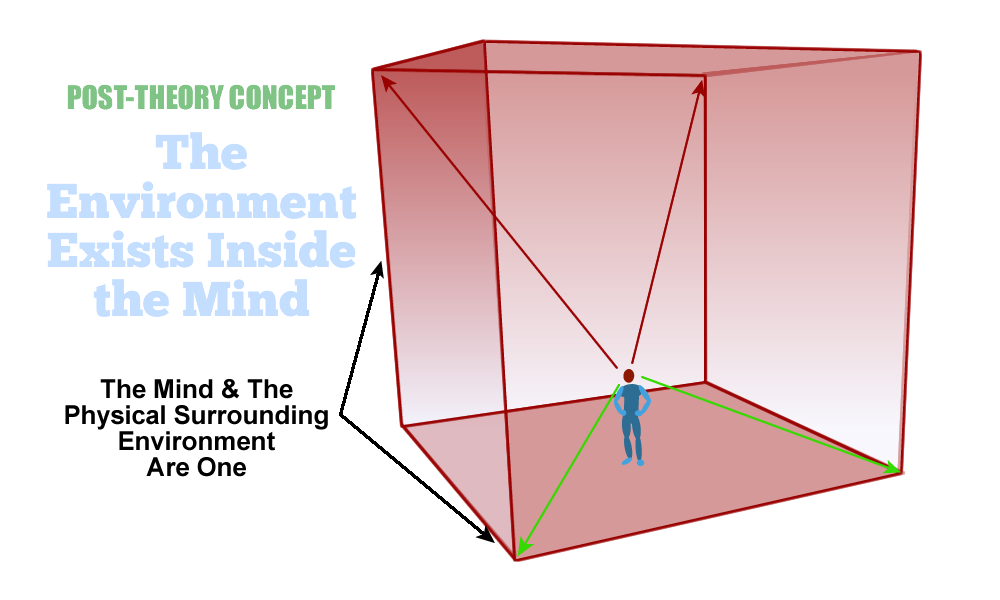
Image 10.5: This illustration shows what enlightened people believe - that the outside world exists inside the mind.
This diagram show how enlightened people regard the outside world. While it may appear as though your environment is outside the mind, this is not actually true. The true location of the outside world is inside the mind - specifically in memory.
This image shows how enlightened people think about the outside world. People become enlightened primarily through OBE or near death experience. They have first-hand evidence that the outside world exists inside, not outside, the mind. They know that everything exists inside memory.